 Shopping cart
✕
Shopping cart
✕
 Your cart is empty


 Home
Home Furniture Store
 Kitchen Design
 Interior Design
 Furniture customization
 Offers
 Blogs
BlogsJapandi Interior Design in Egypt How to Blend Japanese Aesthetics with Scandinavian Warmth?
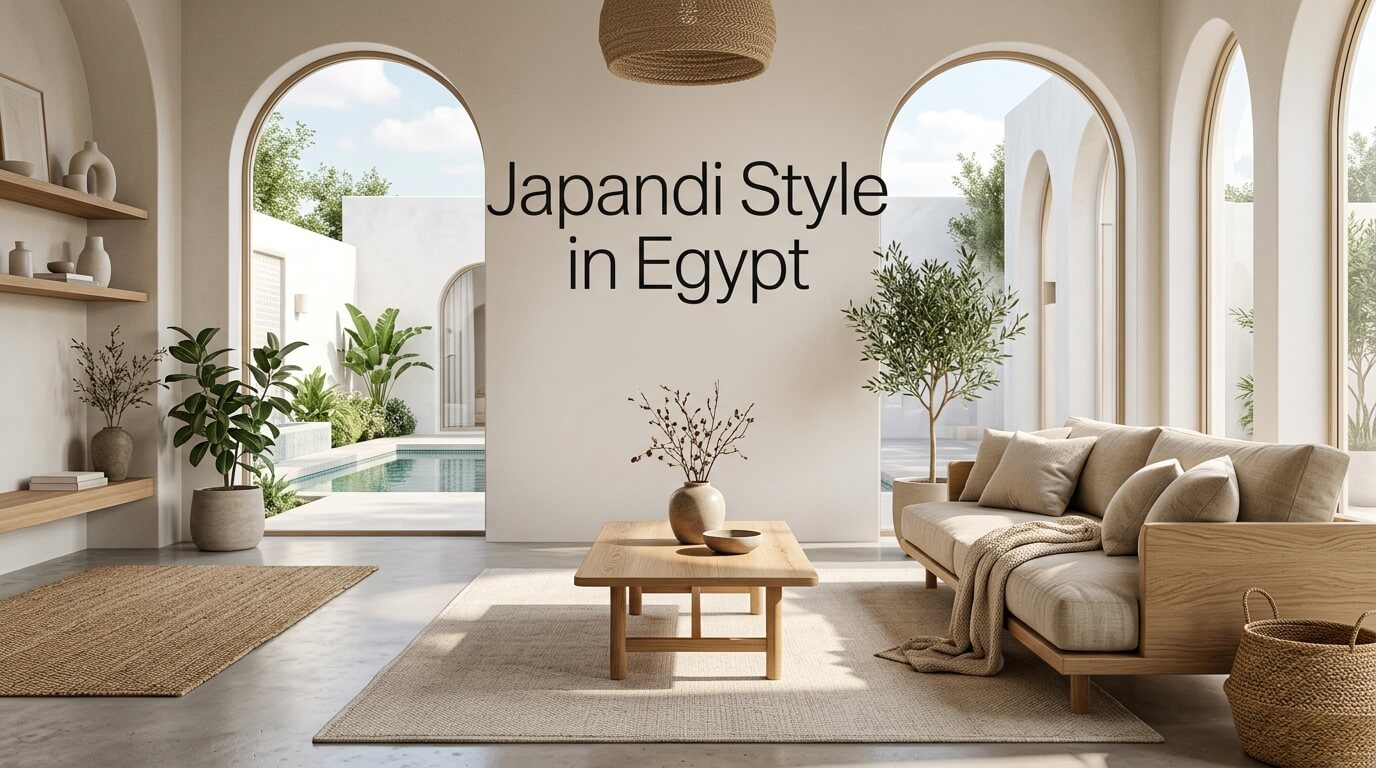
In recent years, the Japandi style has become one of the world's most popular interior design trends. Its popularity has also grown in Egypt thanks to its unique ability to combine Japanese minimalism with Scandinavian warmth, creating interiors that are elegant, balanced, and timeless. If you're looking for a home that feels calm, functional, and modern at the same time, Japandi design offers exactly that without relying on excessive decorations or bold colors.
This design philosophy embraces the idea that "less is more." However, it doesn't make a space feel cold or empty. Instead, it incorporates natural materials and warm textures that create a cozy, inviting atmosphere. As a result, Japandi has become a preferred choice for modern apartments, villas, offices, and even cafés across Egypt.
In this article, we'll explore what the Japandi style is, its key design elements, and how you can incorporate it into your home while maintaining an Egyptian touch.
What Is Japandi Style?
Japandi is a fusion of two of the world's most influential interior design philosophies.
On one hand, Japanese design focuses on simplicity, balance, organization, and a strong connection to nature. On the other hand, Scandinavian design emphasizes comfort, natural light, warm neutral colors, and functional living.
When these two styles come together, they create interiors that are both minimalist and sophisticated, offering a luxurious appearance without unnecessary extravagance.
Rather than filling a space with numerous decorative items, Japandi prioritizes quality over quantity. Every piece of furniture and décor is carefully selected to be both beautiful and practical.
Why Has Japandi Style Become Popular in Egypt?
Japandi perfectly complements modern Egyptian homes, especially as apartments become smaller and open-plan layouts become more common. Its minimalist approach helps maximize available space while creating an airy and peaceful environment.
Many homeowners today also seek interiors that reduce stress and promote relaxation. Japandi achieves this through calming color palettes, natural materials, and uncluttered layouts.
Egypt's sunny climate is another advantage, as natural daylight—one of the key features of Scandinavian design—can easily become an integral part of the home's overall aesthetic.
What Is the Difference Between Japandi and Scandinavian Style?
Although the two styles share many similarities, there are several important differences.
Scandinavian interiors typically feature light colors such as white and gray, maximize natural lighting, prioritize functional furniture, create cozy living spaces, and maintain open layouts.
Japandi builds upon these principles by incorporating additional Japanese influences, including cleaner lines, earthy tones, darker natural woods alongside lighter wood finishes, and a stronger emphasis on reducing decorative elements to the absolute minimum.
In other words, Japandi can be viewed as a calmer, more refined evolution of Scandinavian design.
The Key Elements of Japandi Style
Several essential elements define Japandi interiors and distinguish them from other design styles.
Natural Color Palette
Japandi relies on colors inspired by nature, including beige, white, ivory, light gray, brown, olive green, and earthy clay tones. These shades create a relaxing visual atmosphere while making interiors feel warm and harmonious.
Natural Wood
Wood plays a central role in Japandi interiors. Oak, walnut, bamboo, and matte natural wood finishes are commonly used throughout the home.
Glossy finishes are generally avoided in favor of authentic textures that highlight the natural beauty of the material.
Minimalist Furniture
Japandi furniture is characterized by clean lines, low-profile silhouettes, and understated elegance.
Multi-functional furniture is also encouraged to reduce clutter while improving practicality.
Indoor Plants
Plants bring life into a room without overwhelming the design. Popular choices include the Fiddle Leaf Fig, Monstera, Bamboo, and Snake Plant.
These natural elements reinforce the connection between the home and nature.
Natural Lighting
The more natural sunlight enters the home, the more authentic the Japandi atmosphere becomes.
Lightweight curtains are recommended to maximize daylight while maintaining privacy.
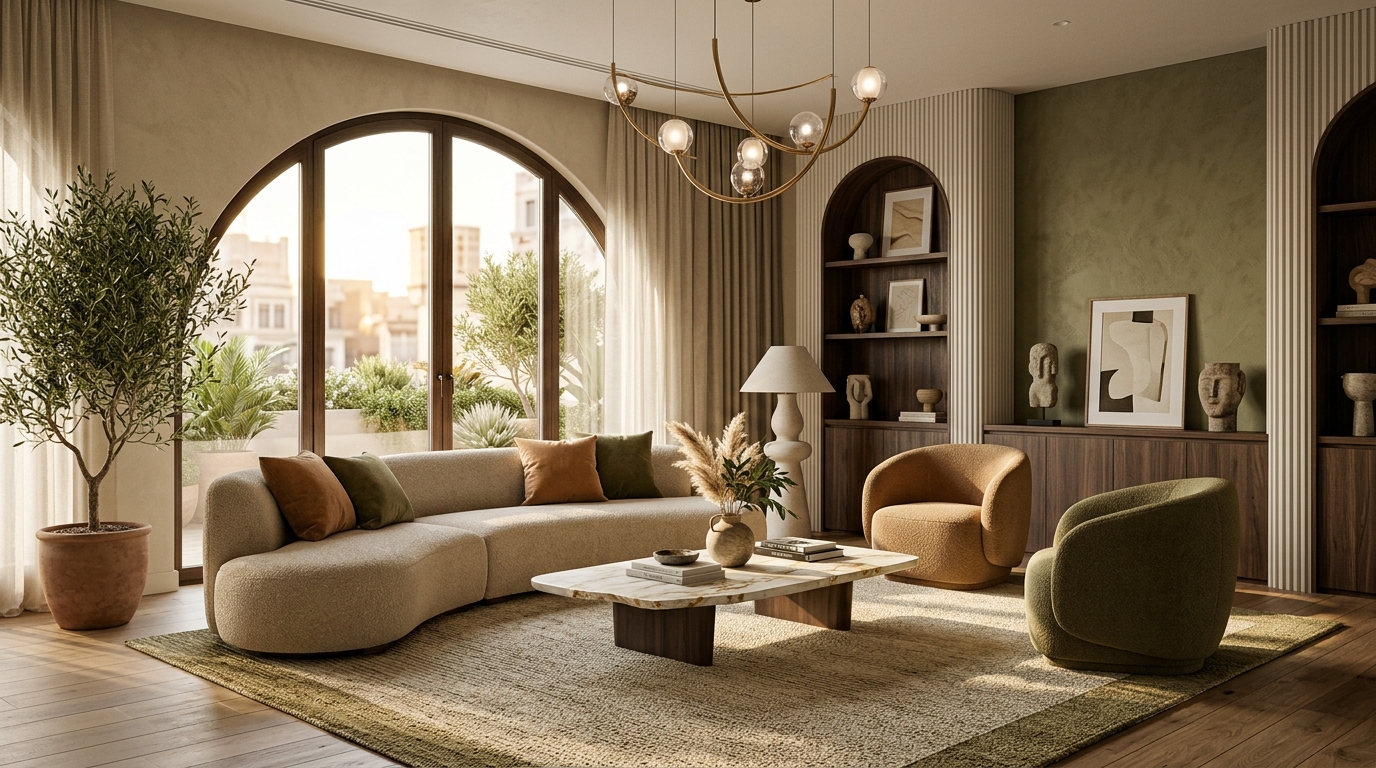
How to Create a Japandi Living Room
The living room is one of the best spaces to embrace Japandi design.
Start by choosing a neutral-colored sofa, adding a simple wooden coffee table, selecting a soft-toned rug, placing a natural plant in one corner, minimizing decorative accessories, and using warm ambient lighting.
The result is a peaceful, welcoming environment that encourages relaxation.
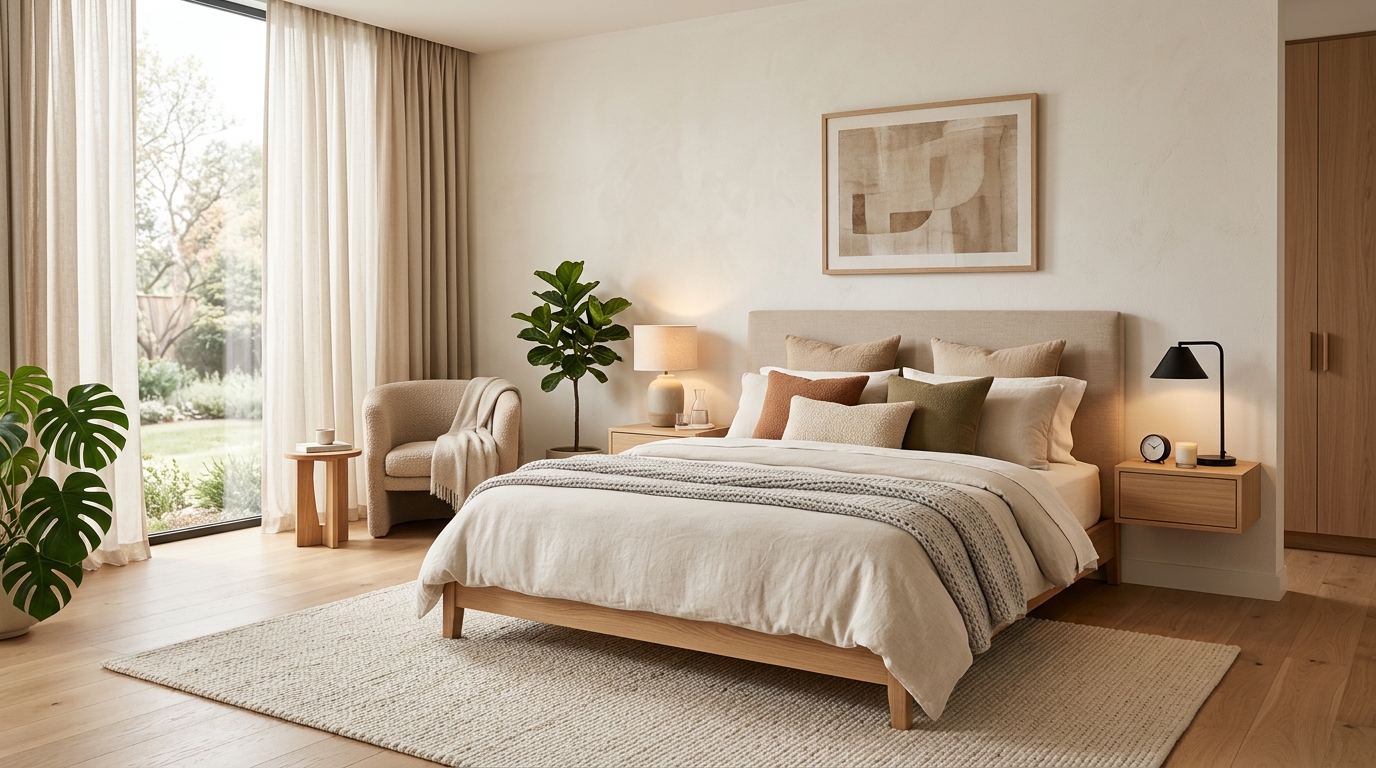
Designing a Japandi Bedroom
A Japandi bedroom is designed to promote comfort and tranquility.
Choose a simple wooden bed frame, cotton or linen bedding, soft neutral colors, minimal bedside lighting, and avoid excessive decorations or wall art.
Every object within the room should serve a meaningful purpose.
Japandi Kitchen: Where Simplicity Meets Functionality
A Japandi kitchen combines beauty with everyday practicality.
Handleless cabinets, wooden countertops, neutral color schemes, smart storage solutions, and built-in appliances all contribute to a clean, organized appearance.
Keeping countertops as clear as possible further enhances the sense of order and simplicity.
Best Materials for Japandi Interiors
Japandi design emphasizes natural materials over synthetic alternatives.
Some of the most commonly used materials include natural wood, stone, linen, cotton, handmade ceramics, bamboo, and pottery.
These materials provide warmth while ensuring long-lasting durability and timeless appeal.
Is Japandi Suitable for Small Apartments in Egypt?
Absolutely.
Japandi is one of the best interior design styles for small apartments because it focuses on reducing clutter, maximizing available space, incorporating multifunctional furniture, using light neutral colors, and integrating smart storage solutions.
Together, these elements make compact spaces feel larger, brighter, and more comfortable.
Common Mistakes to Avoid When Designing a Japandi Home
Despite its simplicity, there are several mistakes that can compromise the beauty of Japandi interiors.
These include using too many colors, purchasing oversized furniture, overdecorating the space, relying on inexpensive synthetic materials, using only harsh white lighting, or overcrowding walls with artwork and accessories.
Japandi is built on intentional simplicity—not emptiness or neglect.
Japandi has become increasingly popular because it offers a luxurious appearance without excessive costs, creates a calming atmosphere, works well in homes of all sizes, utilizes durable natural materials, is easy to maintain, and remains stylish regardless of changing interior design trends.
For these reasons, it has become the ideal choice for homeowners seeking both elegance and functionality.
Can Japandi Style Be Combined with Egyptian Design?
Yes, and it can be done without sacrificing local character.
You can incorporate handcrafted Egyptian décor, traditional pottery, handmade neutral-colored rugs, locally sourced natural wood, and indoor plants suited to Egypt's climate.
This combination creates a home that reflects the peaceful essence of Japandi while preserving the warmth and authenticity of Egyptian culture.
in the end Japandi is much more than an interior design trend—it is a lifestyle philosophy centered on simplicity, organization, and well-being. By combining Japanese minimalism with Scandinavian warmth, you can create a home that offers both elegance and functionality while promoting comfort and peace of mind. As demand for calm, modern living spaces continues to grow across Egypt, Japandi has become an ideal design choice for apartments and villas alike, offering timeless beauty that remains stylish for years to come.
Frequently Asked Questions (FAQ) About Japandi Style
What is Japandi style?
Japandi is an interior design style that combines Japanese minimalism with Scandinavian functionality. It focuses on clean lines, natural materials, neutral colors, and practical furniture to create calm, balanced, and inviting living spaces.
Why is Japandi style becoming popular in Egypt?
Japandi has gained popularity in Egypt because it suits modern apartments and villas, maximizes small spaces, embraces natural light, and creates peaceful interiors that fit today's lifestyle while remaining elegant and practical.
What are the main characteristics of Japandi interior design?
Japandi interiors feature neutral color palettes, natural wood finishes, minimalist furniture, indoor plants, soft lighting, functional layouts, and a clutter-free environment inspired by nature.
What is the difference between Japandi and Scandinavian design?
Scandinavian design emphasizes comfort, light colors, and functionality, while Japandi combines these elements with Japanese minimalism, earthy tones, darker wood accents, and a stronger focus on simplicity and intentional living.
What colors are commonly used in Japandi interiors?
Popular Japandi colors include white, ivory, beige, warm gray, taupe, brown, olive green, sage green, and other earthy tones inspired by natural landscapes.
Is Japandi style suitable for small apartments?
Yes. Japandi is one of the best interior design styles for small homes because it prioritizes multifunctional furniture, smart storage solutions, open layouts, and minimal décor, making rooms feel larger and more organized.
What materials are used in Japandi interior design?
Natural materials are essential in Japandi design, including solid wood, bamboo, stone, linen, cotton, handmade ceramics, clay, and natural textiles that add warmth and texture to a space.
How can I create a Japandi living room?
Start with neutral-colored furniture, add a simple wooden coffee table, use soft textiles, introduce a few indoor plants, maximize natural light, and keep decorations minimal. Every item should have both a functional and aesthetic purpose.
Can Japandi style work with Egyptian home décor?
Absolutely. Japandi can be blended with Egyptian design by incorporating handmade pottery, local wood, woven rugs, artisan décor, and plants that thrive in Egypt's climate while maintaining the minimalist philosophy.
Is Japandi style expensive?
Not necessarily. Japandi focuses on buying fewer but higher-quality pieces instead of filling a home with unnecessary furniture or decorations. It can be adapted to different budgets by investing in durable, timeless items over time.
Is Japandi style a long-term interior design trend?
Yes. Unlike short-lived design trends, Japandi is based on timeless principles such as simplicity, functionality, craftsmanship, and natural beauty, making it a style that remains relevant for many years.
What furniture works best in a Japandi home?
Low-profile wooden furniture with clean lines, multifunctional storage solutions, linen or cotton upholstery, and handcrafted pieces made from natural materials are ideal choices for achieving an authentic Japandi look.