 Shopping cart
✕
Shopping cart
✕
 Your cart is empty


 Home
Home Furniture Store
 Kitchen Design
 Interior Design
 Furniture customization
 Offers
 Blogs
BlogsA Comprehensive Guide to Color Psychology in Interior Design
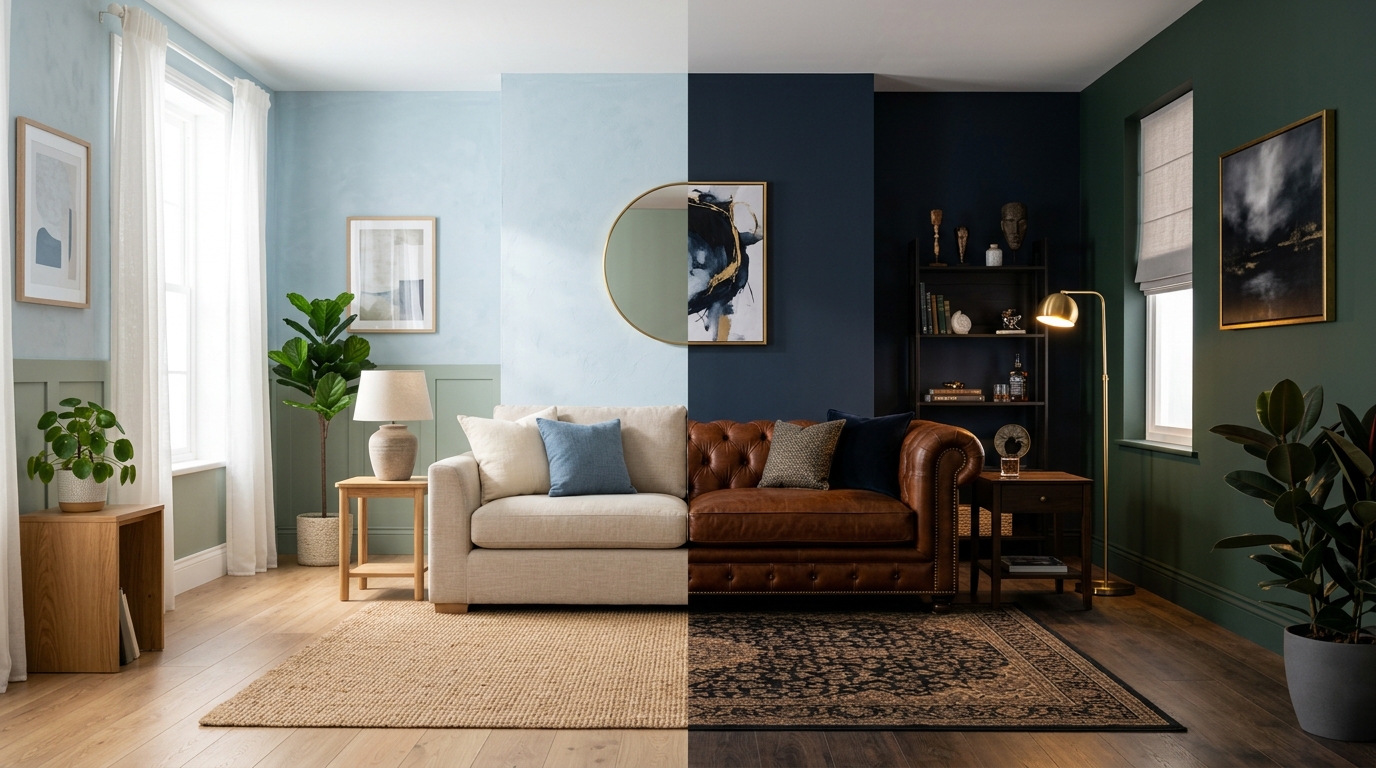
Colors play a vital role in shaping the atmosphere of a home and influencing people’s emotions and behavior. Choosing interior design colors is not limited to aesthetics alone; it also affects comfort, relaxation, productivity, and overall well-being. For this reason, color psychology has become one of the most important factors interior designers consider when creating residential and commercial spaces.
How to Use Color Psychology in Interior Design to Enhance Interior Spaces
The role of colors goes beyond visual appeal. Colors can also create different visual effects and highlight the beauty of interior spaces. Light colors make small rooms appear larger and brighter, while darker shades add a sense of luxury and warmth when used appropriately. Contrasting colors can also be used to draw attention to specific elements, such as accent walls or statement furniture pieces, adding depth and balance to the overall design.
Calming Furniture Colors
Choosing the right furniture colors is essential for creating a comfortable and balanced environment. Soft tones such as light blue, natural green shades, beige, and light gray help create a sense of relaxation and tranquility. Using these colors in living rooms and bedrooms can reduce stress and contribute to a peaceful and harmonious atmosphere throughout the home.
Wall and Furniture Color Coordination
Harmony between wall colors and furniture is key to creating an attractive and balanced interior design. Neutral-colored walls can be paired with warm-toned furniture to add vibrancy, or similar shades can be combined for a calm and elegant appearance. Proper coordination enhances the beauty of the space and improves visual comfort.
The Impact of Colors on Mood and Psychology
Colors have a direct influence on emotions and overall mood, making color selection an important part of interior design. Blue promotes calmness and relaxation, making it ideal for bedrooms and restful areas. Green represents balance and nature, helping to create a soothing environment. Yellow is associated with energy, optimism, and positivity, while gray combines sophistication and serenity, especially in lighter shades. White symbolizes purity and spaciousness, making rooms feel brighter and more open.
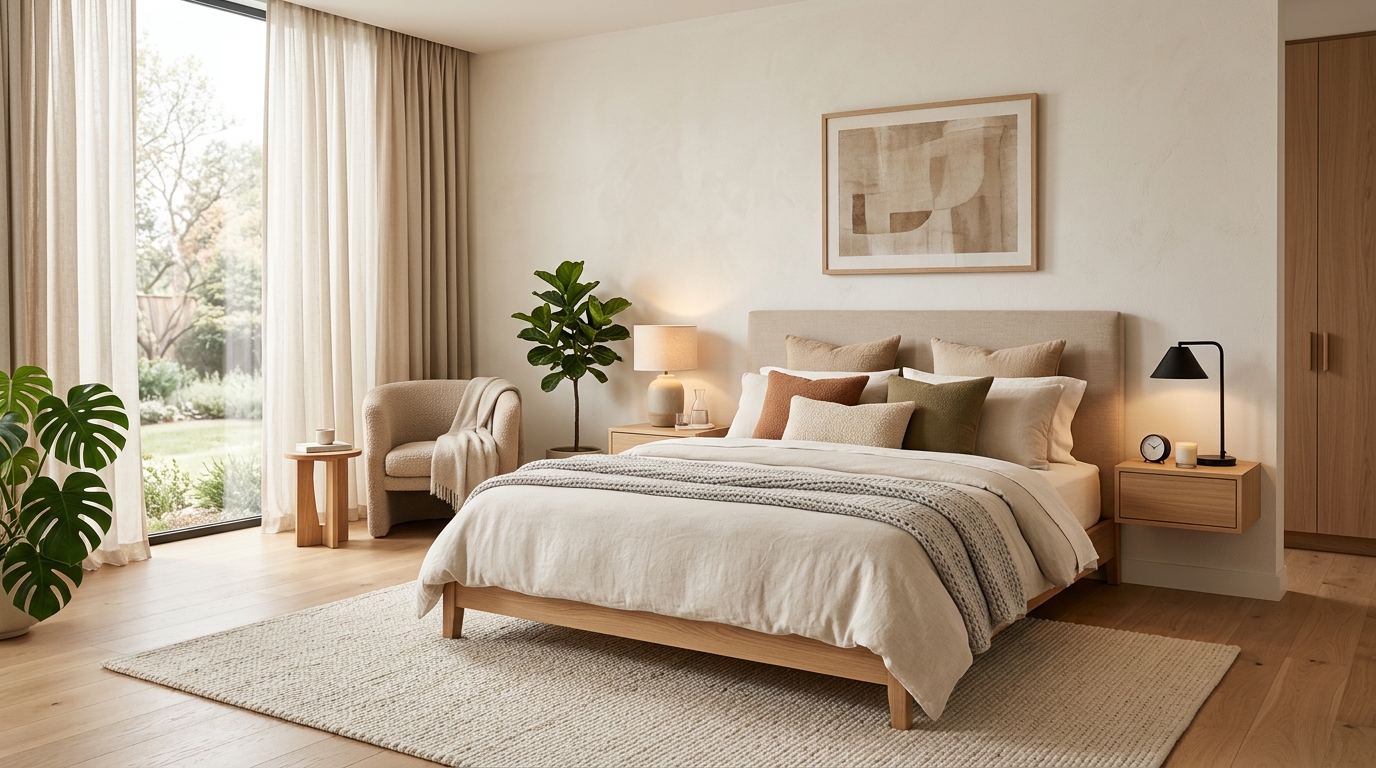
Best Interior Design Colors for Bedrooms
Bedrooms should feature colors that promote rest, relaxation, and better sleep quality. Light blue is known for its calming effect, beige creates warmth and comfort, and soft green brings a natural and peaceful ambiance. These colors can be paired with neutral furniture and accessories to achieve a harmonious and inviting bedroom design.
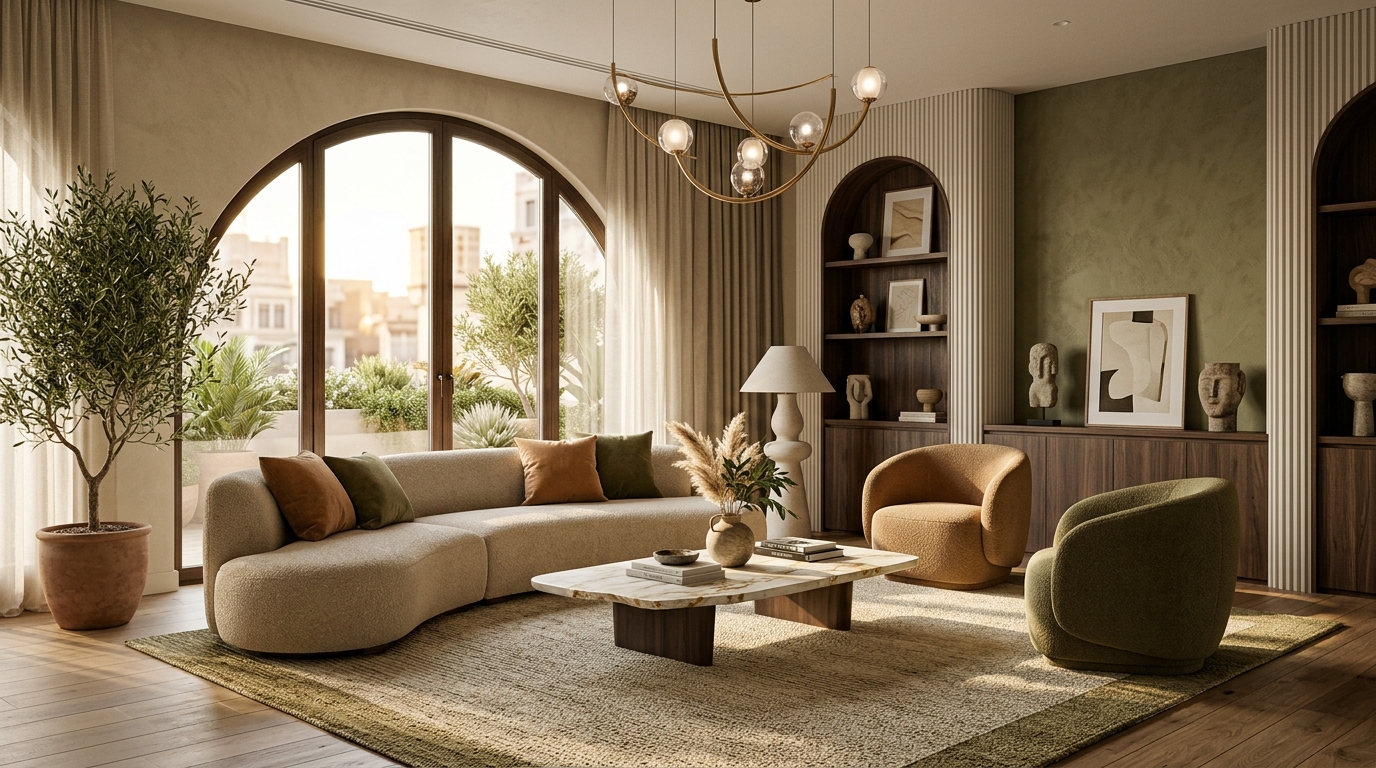
Best Interior Design Colors for Living Rooms
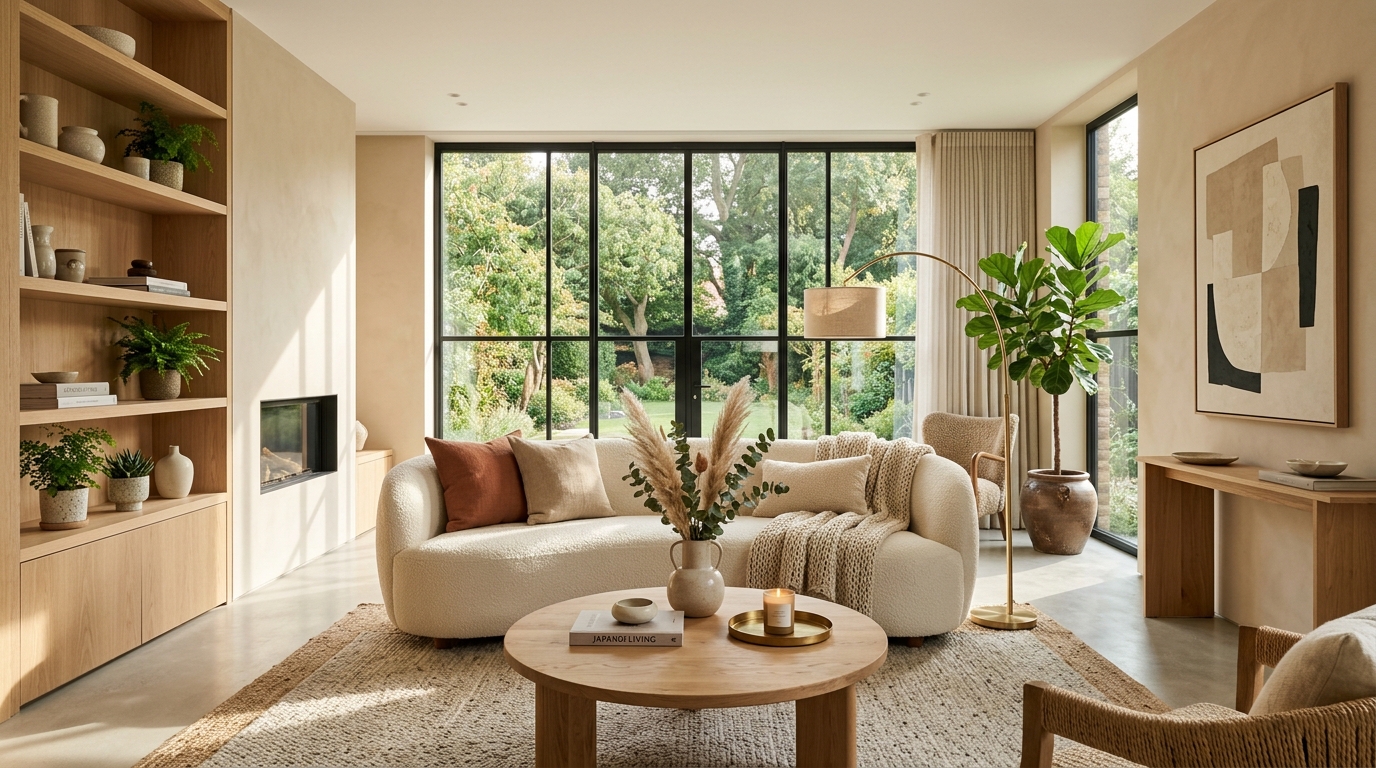
Living rooms are among the most frequently used spaces in a home, making color selection particularly important. Warm and neutral tones such as beige, cream, and light gray create a welcoming atmosphere and encourage social interaction among family members. Adding subtle accent colors can bring energy and personality to the space while maintaining comfort and elegance.
How to Choose the Right Interior Design Colors for Your Home
Selecting the perfect color palette depends on several factors. Room size plays a significant role, as lighter colors make small spaces appear larger. Natural lighting also affects how colors look throughout the day. Furniture style should be considered to ensure consistency and visual harmony. Additionally, color choices vary according to the purpose of the room, whether it is intended for relaxation, work, or entertaining guests.
Warm Colors vs. Cool Colors in Interior Design
Interior design colors are generally categorized into warm and cool tones, each creating a different atmosphere. Warm colors such as red, orange, and yellow bring energy, warmth, and vibrancy. Cool colors like blue, green, and soft purple create a sense of calm, relaxation, and comfort. Choosing the right type depends on the desired mood and function of the room.
Common Mistakes When Coordinating Interior Design Colors
Many homeowners make mistakes when selecting and coordinating colors. One common error is using too many colors in a single space, creating visual clutter and lack of harmony. Another mistake is failing to coordinate wall colors with furniture, which can negatively affect the room’s overall appearance. Ignoring the impact of natural and artificial lighting on color perception is also a frequent issue, as colors may appear different once applied in reality.
Latest Interior Design Color Trends
Modern interior design trends continue to evolve, but some colors remain popular due to their ability to combine style and comfort. Warm beige remains a favorite because it creates a sophisticated and inviting atmosphere. Olive green is also gaining popularity for its natural and calming effect, adding elegance and character to interiors.
Light gray continues to be widely used in contemporary interiors due to its versatility and ability to complement many design styles. Earthy tones such as sand, clay, and light brown are also trending, offering warmth and a connection to nature while creating a balanced and cozy environment.
Understanding Color Psychology in Interior Design
Colors directly impact emotions, behavior, and overall comfort within a space. Understanding color psychology helps homeowners and designers make informed decisions when selecting wall colors, furniture, and decorative elements. By combining harmonious and calming colors, it is possible to create interiors that are both visually appealing and emotionally comforting.
Frequently Asked Questions About Color Psychology in Interior Design
What are the best interior design colors for creating a relaxing atmosphere?
Calming colors such as light blue, green, beige, and light gray are among the best choices for creating a peaceful and relaxing home environment.
How do I choose furniture colors that match my walls?
Furniture colors should complement wall colors to achieve visual balance. Neutral walls can be paired with bold or warm-toned furniture, while colorful walls work best with softer, neutral furniture shades.
Do interior design colors affect mood?
Yes, colors significantly impact mood and emotions. Some colors promote relaxation and calmness, while others increase energy, creativity, and motivation.
Which colors are best for small spaces?
Light colors such as white, off-white, beige, and light gray are ideal for small rooms because they reflect light and create the illusion of a larger, more open space.