 Shopping cart
✕
Shopping cart
✕
 Your cart is empty


 Home
Home Furniture Store
 Kitchen Design
 Interior Design
 Furniture customization
 Offers
 Blogs
BlogsHow to Measure Your Room and Create a Furniture Layout Before Buying: A Practical Step-by-Step Guide
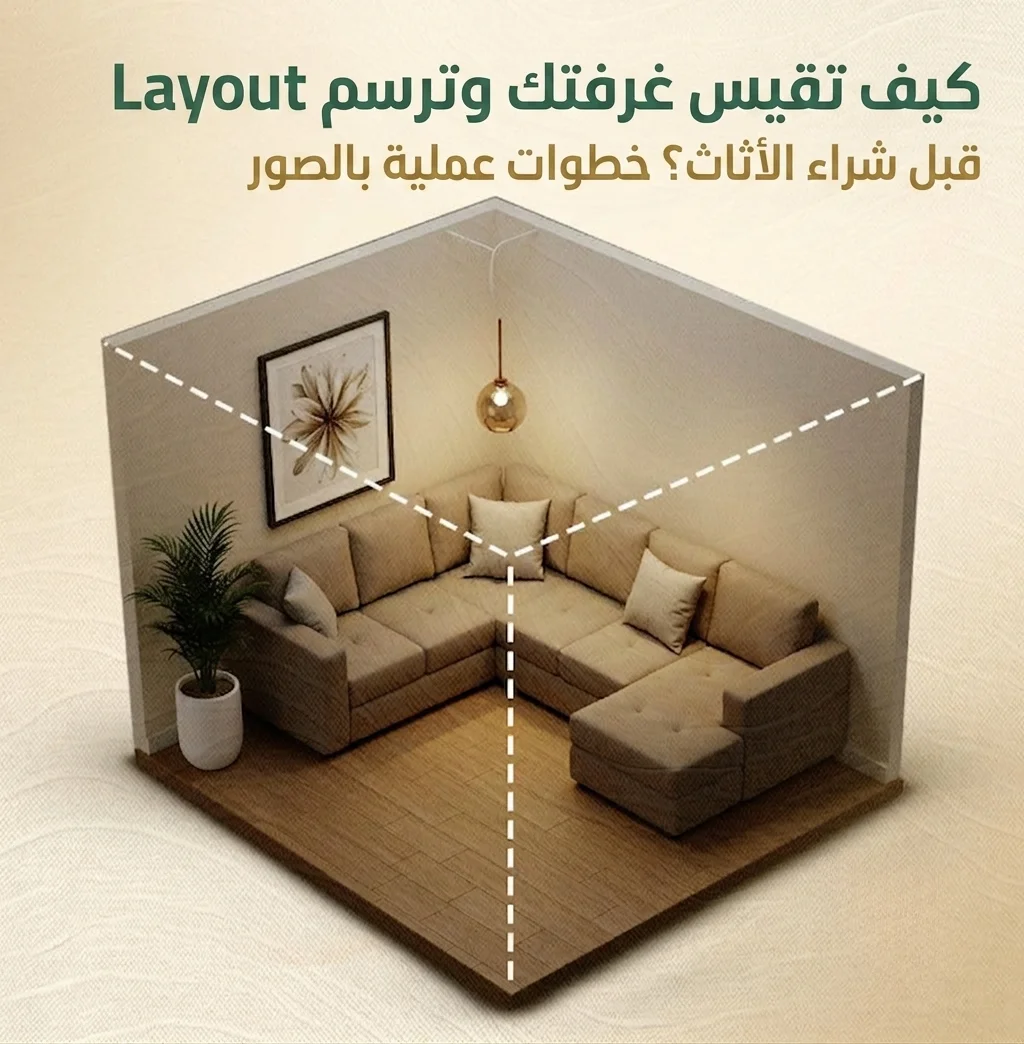
Buying new furniture is an exciting experience filled with ideas and inspiration for transforming your home into a space that reflects your personality and supports your daily lifestyle. However, without proper planning, it can quickly become frustrating and expensive. Many people purchase furniture that doesn't fit their room dimensions, either because it's too large and restricts movement or too small and leaves the space looking unbalanced. To avoid these common and costly mistakes, measuring your room and creating an accurate furniture layout before shopping is an essential first step that helps you make confident and informed purchasing decisions.
Why Measuring Your Room and Creating a Layout Is Essential Before Buying Furniture
Planning ahead is the key to a successful home furnishing project. Measuring your room and creating a furniture layout before making a purchase offers several important benefits that improve both the functionality and appearance of your space.
Avoid Costly Mistakes
Accurate measurements prevent you from buying furniture that is either too large or too small for your room. Imagine purchasing your dream sofa only to discover it won't fit through the doorway or occupies the entire room, leaving no space to move comfortably. These mistakes can result in unnecessary returns, additional delivery charges, wasted time, and extra expenses.
Maximize Your Available Space
A detailed room layout helps you visualize the best furniture arrangement before making a purchase. You can identify the locations of doors, windows, electrical outlets, and light switches to ensure they remain accessible. Proper planning allows you to make the most of every corner while maintaining a balanced and functional design.
Improve Traffic Flow
A well-designed layout ensures there is enough space to move comfortably between furniture pieces. Clear walkways make the room more practical and reduce the risk of bumping into furniture. This is especially important in living rooms and dining areas where movement is frequent.
Make Confident Purchasing Decisions
Knowing your room dimensions gives you a clear understanding of the furniture sizes you actually need. Instead of making impulsive decisions, you can confidently choose pieces that suit both your lifestyle and your available space.
Essential Tools for Measuring Your Room
To achieve accurate measurements, you'll need a few basic tools that make the process easier and more efficient.
-
Measuring tape or laser distance meter: A 5–10 meter measuring tape is ideal for most rooms. For larger or irregular spaces, a laser distance meter provides greater accuracy and saves time.
-
Paper and pencil or digital room planning apps: Use graph paper to draw your room to scale, or choose one of the many room design apps available for smartphones and tablets to create a digital layout and test different furniture arrangements.
-
Level: Useful for checking height measurements when planning shelves, cabinets, or wall-mounted furniture.
-
Notebook or smartphone: Keep all measurements organized and take photos of the room from different angles for future reference.
Steps to Measure Your Room Accurately
Follow these steps to collect all the measurements you need before purchasing furniture.
Measure the Main Dimensions
Start by measuring the length and width of the room from wall to wall. Record each measurement carefully and consider measuring from multiple points if the walls are not perfectly straight.
Next, measure the ceiling height. This is particularly important when purchasing tall furniture such as wardrobes, bookshelves, or floor-to-ceiling curtains.
Mark Doors, Windows, Outlets, and Switches
Measure the width and height of every door and window. Also record the distance from the floor to the bottom of each window and from the top of the window to the ceiling.
Mark the locations of electrical outlets, light switches, air-conditioning vents, and other fixed utility points on your layout to ensure they remain accessible after the furniture is installed.
Measure Doorways and Hallways
If the furniture must pass through hallways, staircases, or narrow entrances, measure these areas carefully as well. Even if a piece fits perfectly inside the room, it may not fit through the entrance. Remember to consider tight corners and turning spaces during delivery.
Record Permanent Architectural Features
Include any fixed elements such as columns, fireplaces, built-in cabinets, radiators, or wall projections in your room layout. Their dimensions and exact locations will affect how your furniture can be arranged.
Common Mistakes to Avoid When Measuring Your Room and Planning Furniture
Avoid these common mistakes to ensure a smoother furniture-buying experience.
Buying Oversized Furniture
This is one of the most common mistakes homeowners make. Furniture often appears smaller in showrooms or online photos than it does inside your home. Accurate room measurements help prevent overcrowding and preserve comfortable living space.
Ignoring Doorways and Hallways
Furniture that fits your room may still be impossible to move inside if the entrance, hallway, staircase, or elevator is too narrow. Always measure access points before placing an order.
Overlooking Natural Lighting
Avoid positioning furniture where it blocks windows or prevents natural light from entering the room. Also consider your lighting fixtures to create a bright and comfortable environment throughout the space.
Best Practices for Furniture Layout
After completing your room layout, arrange your furniture in a way that balances aesthetics with functionality. Leave enough walking space between furniture pieces, select items that match your room dimensions, and divide the room into practical zones based on daily activities.
For smaller spaces, consider multifunctional furniture that offers additional storage or multiple uses. Position larger furniture pieces evenly throughout the room to create visual balance, and make the most of both natural and artificial lighting to enhance the overall design.
If you want professional results without the guesswork, Silora offers customizable modern furniture along with experienced interior designers who can help you choose the best furniture solutions for your available space and transform your home into a stylish and functional living environment.
Frequently Asked Questions
How do I measure my room correctly before buying furniture?
Measure the room's length, width, and ceiling height. Record the locations of doors, windows, electrical outlets, switches, and fixed architectural features such as columns or built-in cabinets. Also measure hallways and entrances to ensure furniture can be moved into the room easily.
Why should I create a furniture layout before buying?
A furniture layout allows you to visualize furniture placement before purchasing, choose the correct sizes, avoid overcrowding, maintain comfortable walking space, and create a balanced and functional room design.
What are the most common mistakes when buying furniture?
The most common mistakes include purchasing furniture that is too large or too small for the room, forgetting to measure entrances and hallways, and failing to consider windows and natural lighting, all of which can negatively affect both functionality and appearance.